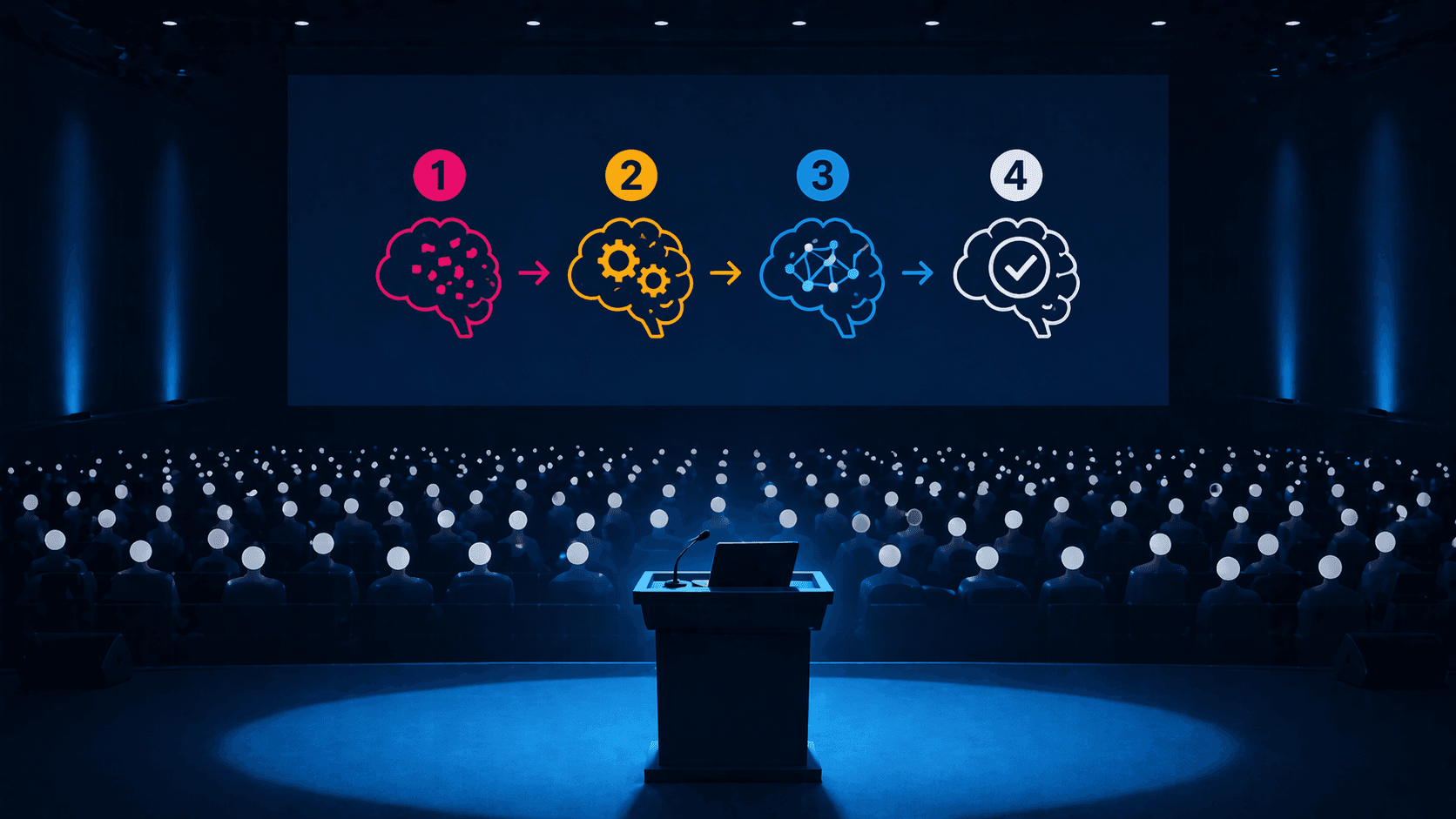
Experience manipulation live: why smart people fall for simple tricks
On May 21, 2026, Eric Flury and Tomislav Bodrozic will speak at Take Aware: we show how your own brain can mislead you.
Articles, newsletter insights, and practical views on social engineering, Cyber Snacks, AI tools, and modern awareness.

On May 21, 2026, Eric Flury and Tomislav Bodrozic will speak at Take Aware: we show how your own brain can mislead you.

ChatGPT, DeepL, WeTransfer: these services save time every day. But do we really know what happens to our inputs in the background?

Many awareness measures are correct, important, and unfortunately quickly forgotten. Our Cyber Snack shows why a playful format is often more effective.

Juice jacking and evil twins are regularly presented as serious dangers. But what is really behind them, and what should security teams actually prepare employees for today?

Why information security starts with employees and how training connects compliance, culture, and everyday work.

Concrete scenarios show how fraudsters trick employees and how teams can respond securely at the right moment.

How organizations combine technical, organizational, and human protection measures into resilient defense.

A structured overview of the most common methods, their warning signs, and the best countermeasures.

Why Cybersecurity Awareness Month is a strong moment to make security awareness visible, practical, and effective across your organization.

Why cyber security learning should be continuous, practical, and centered on people.

How organizations recognize effective cyber security training and which content really matters.

Which methods and formats help teams recognize social engineering and act securely.

What cyber awareness means, why people are a central security factor, and how organizations build a stronger awareness culture.

What awareness training needs to achieve, who needs it, and how modern formats truly activate employees.

The most important attack patterns at a glance, with warning signs and practical protection tips for organizations.

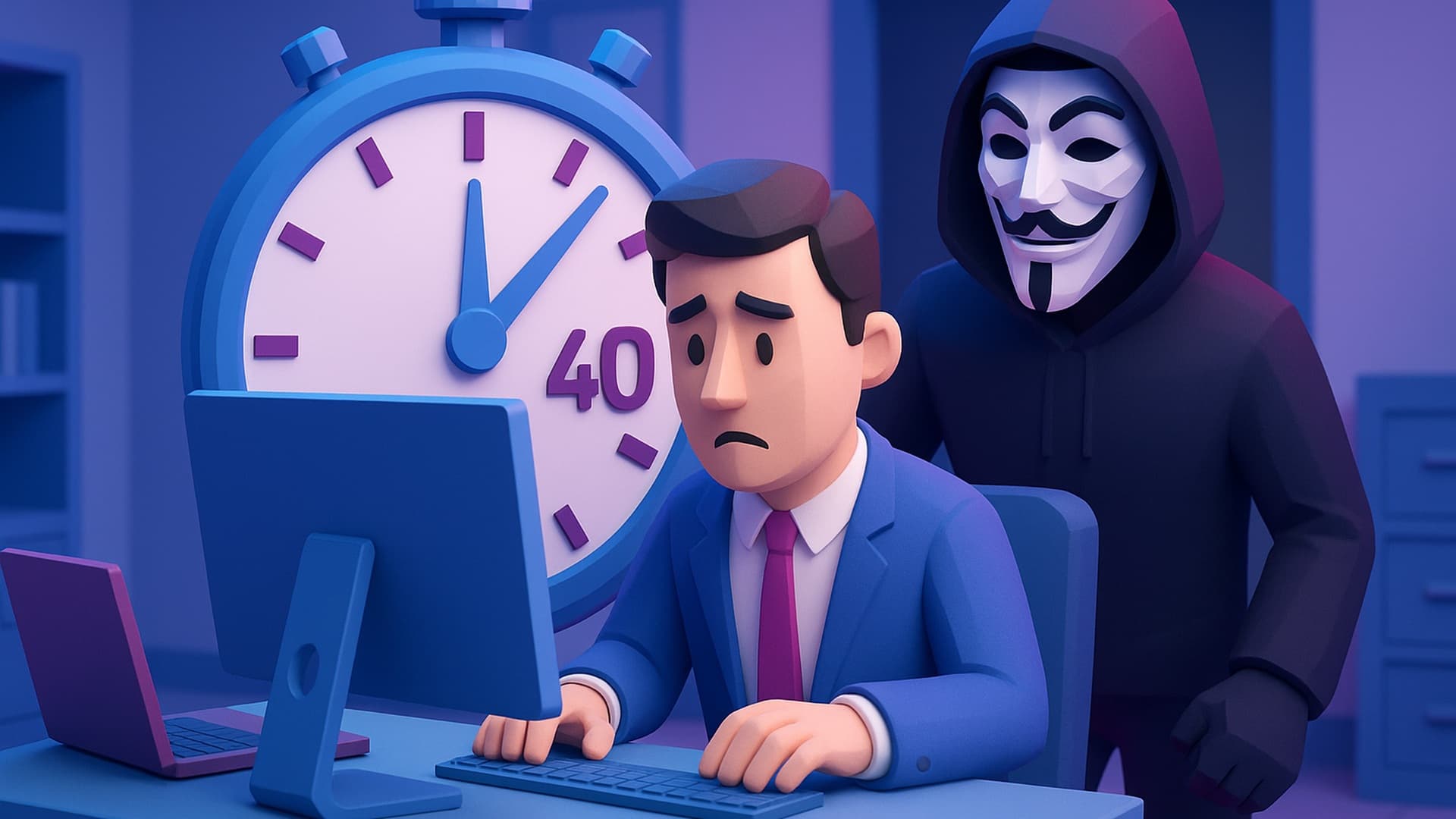
How attackers exploit trust, urgency, and helpfulness, and how organizations turn awareness into practical protection routines.

How passkeys work, why they help against phishing, and what organizations should consider when introducing them.

Password leaks, reuse, and social engineering show why passwords remain risky and how organizations can reduce that risk.

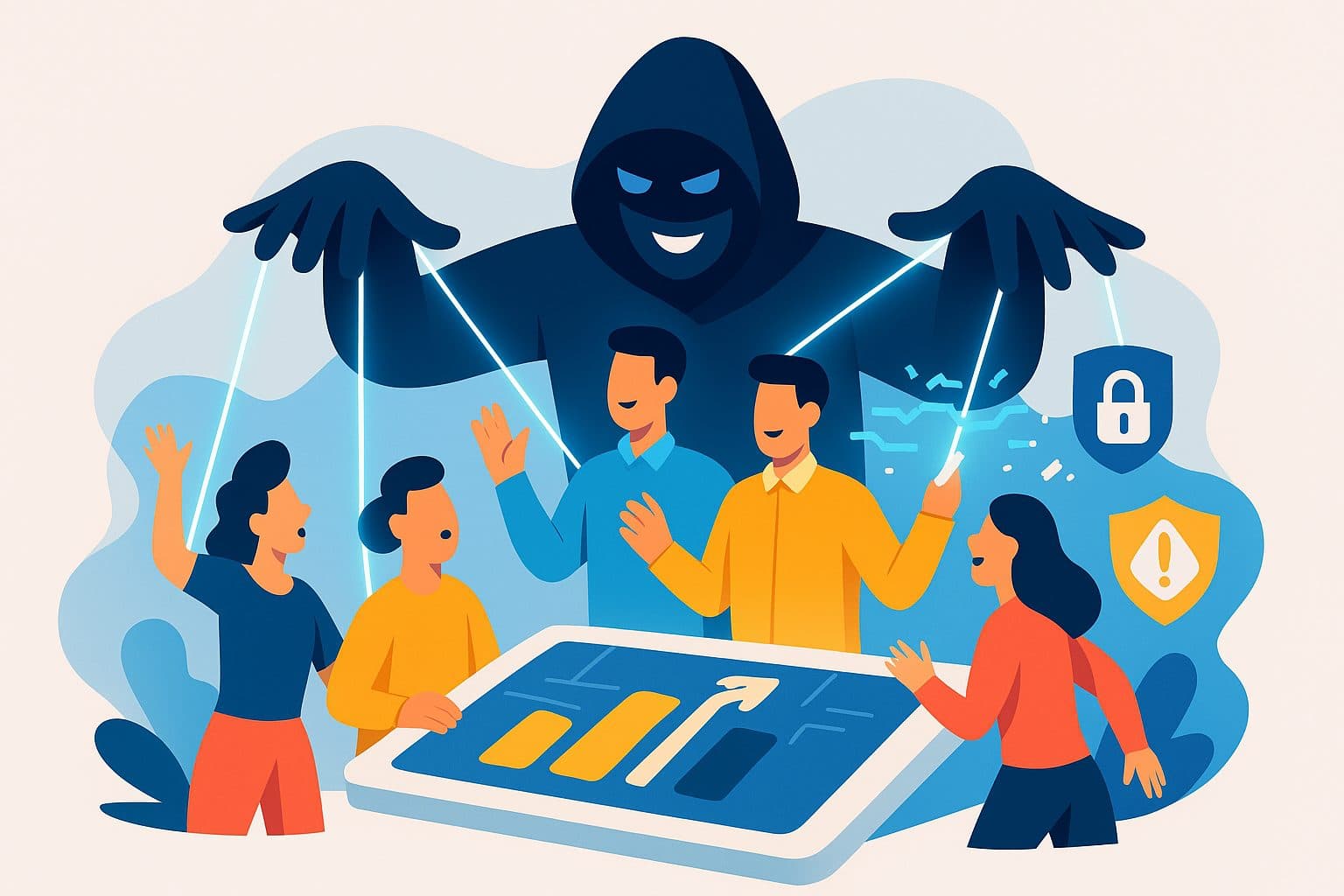
A look at the psychology behind manipulation and why even smart people fall for simple tricks.

Why playful awareness formats activate teams and help security knowledge stay in memory longer.