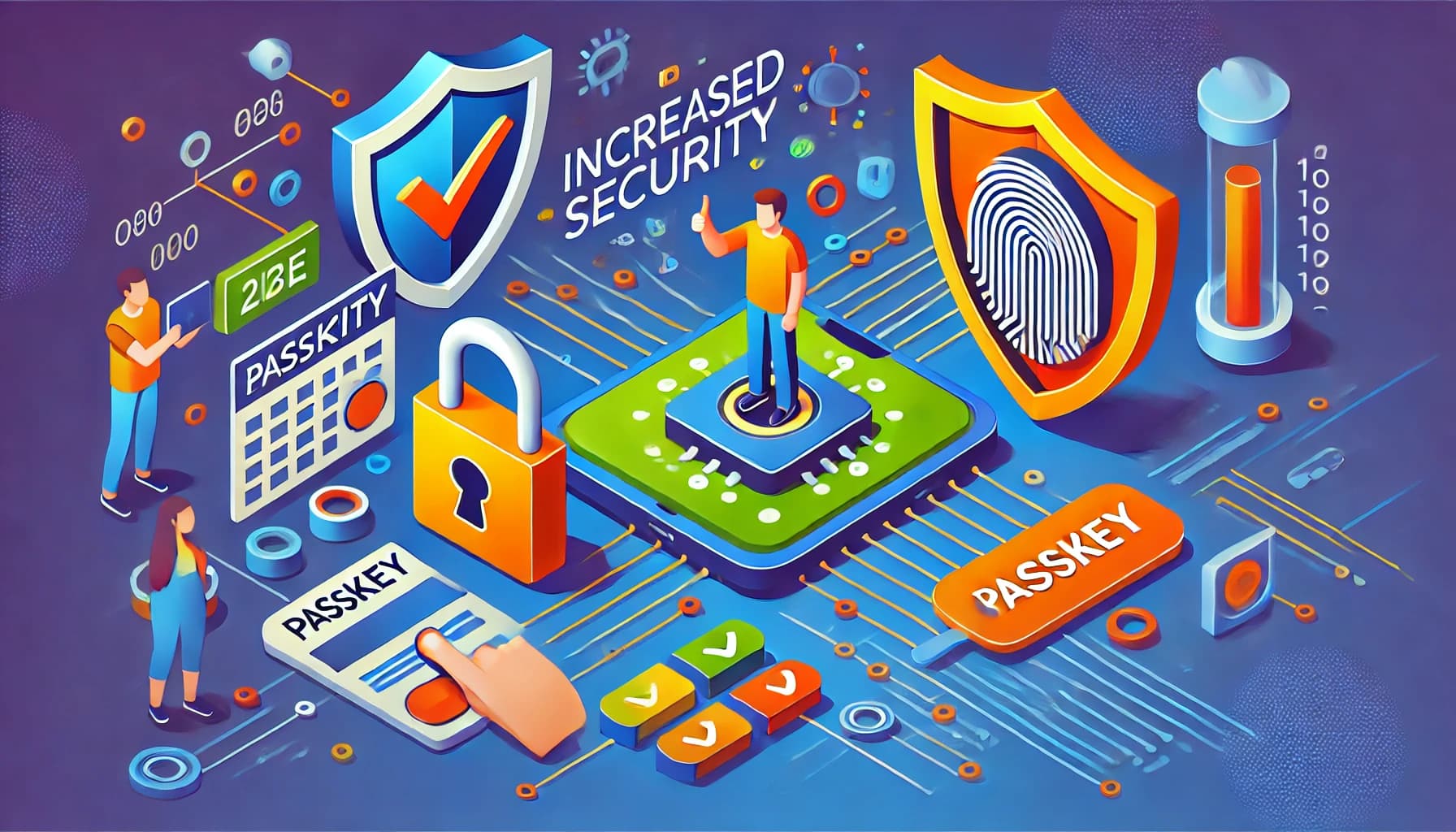
Passkeys are a modern authentication method that can gradually replace classic passwords. They combine strong cryptography with a sign-in experience that feels much simpler for users.
Instead of typing a secret that can be reused, forgotten, guessed, or entered on a phishing page, a passkey uses a key pair. The public key is stored by the service. The private key remains protected on the device or with the passkey provider.
In daily use, this feels much less technical than it sounds: users usually approve the sign-in with a fingerprint, face recognition, device unlock, or PIN. This combination of security and convenience is what makes passkeys so relevant for organizations.
What are passkeys?
A passkey is not just a password with a new name. It is a cryptographic credential created for a specific account at a specific service. The service stores only the public key. The private key remains under the user's control and is not transmitted to the website.
This removes one of the biggest weaknesses of traditional passwords: there is no shared secret that can be intercepted, guessed, stolen from a database, and then reused elsewhere.
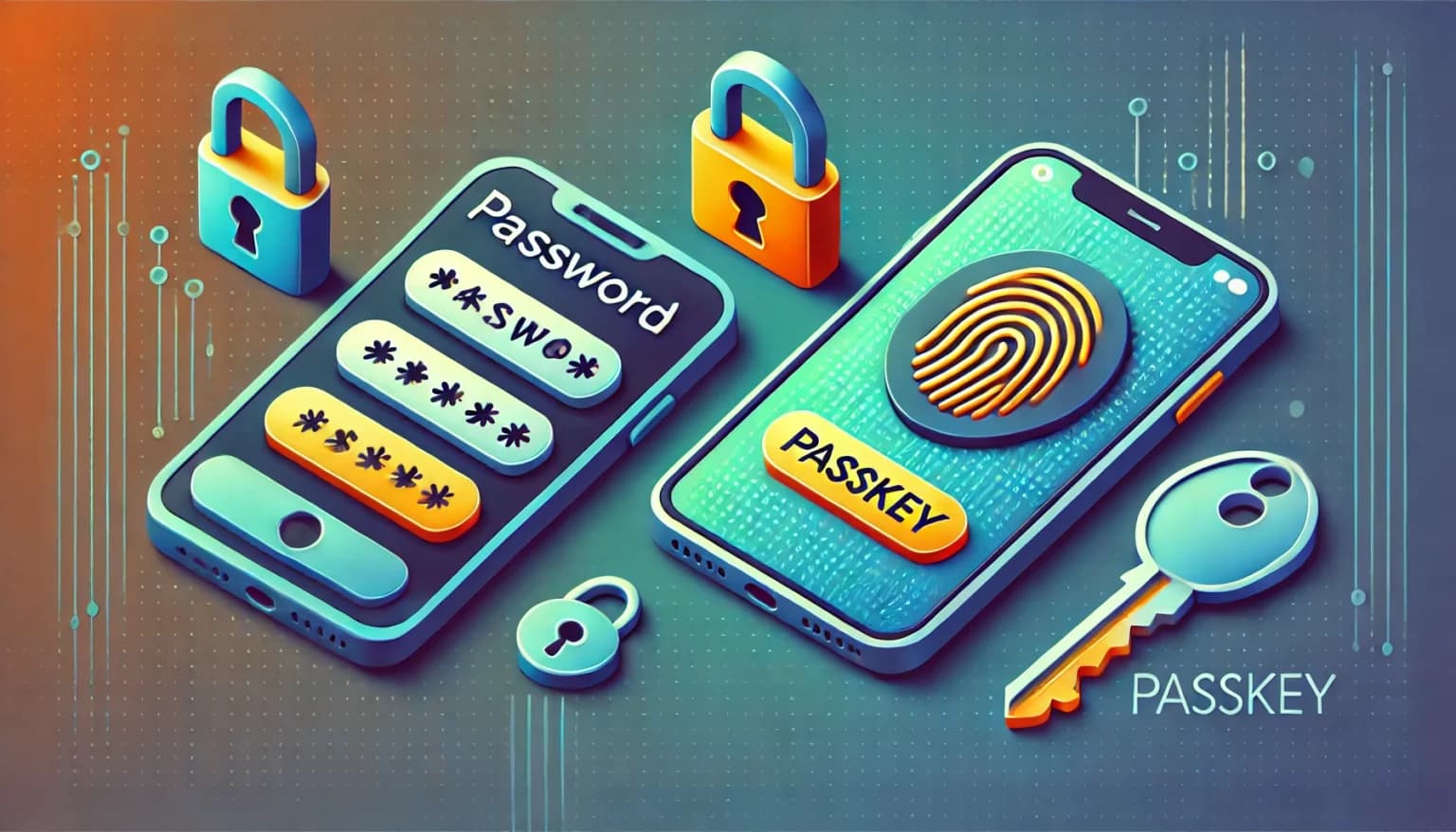
How do passkeys work?
When a passkey is created, the device generates a key pair: a public key and a private key. The public key is registered with the provider. The private key remains protected and is used locally to sign the authentication request.
When the user signs in later, the service requests confirmation. The device checks whether the request belongs to the correct website or app and signs it locally. The service can then verify the sign-in with the public key.
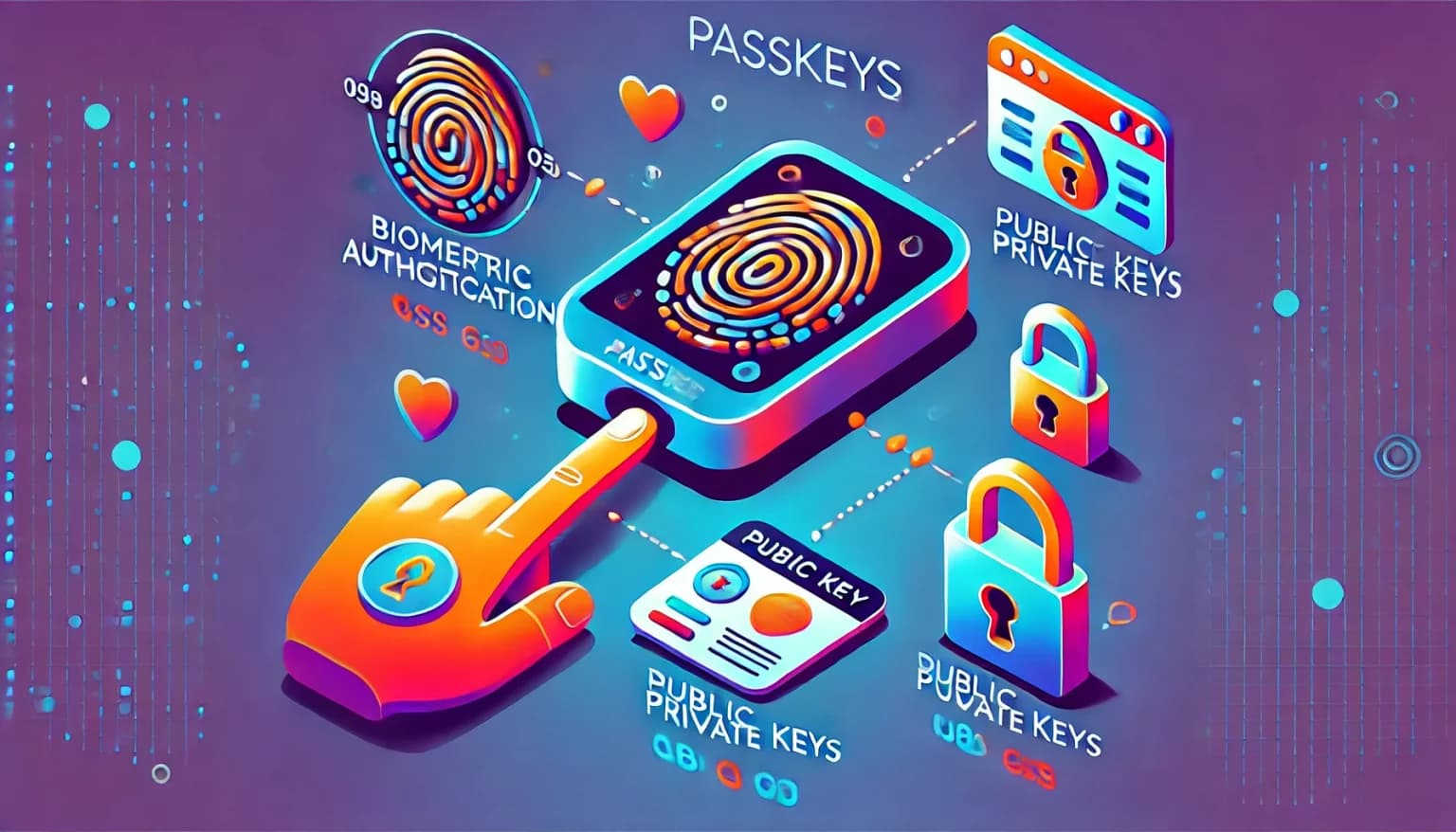
Why are passkeys so secure?
Passkeys are especially strong against attacks that are common with passwords: phishing, credential stuffing, brute force, and reuse. Four mechanisms matter most.
- Unique per service: Each website or app receives its own passkey. Even if one service is compromised, the credential cannot be used to open other accounts.
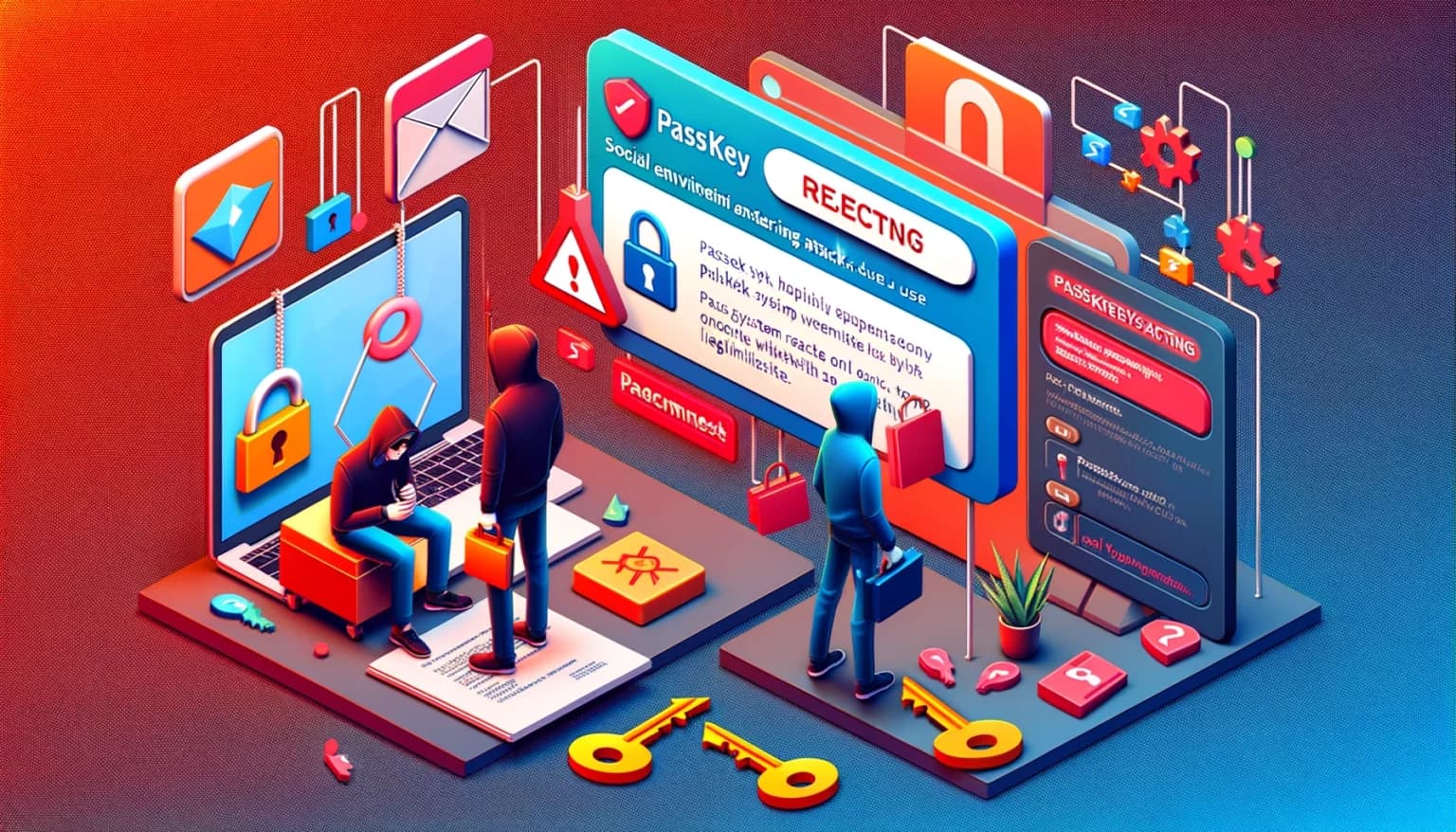
- Phishing-resistant by origin binding: A passkey only works for the website or app it was created for. A convincing phishing page cannot use the passkey for the real domain.
- No guessable secret: Passkeys are not character strings. They cannot be guessed, tested with dictionary lists, or reused from password leaks against other services.
- Local approval: The sign-in is approved on the device, for example with biometrics or a PIN. The private key itself is not transmitted to the service.
Usability and convenience
Passkeys reduce mental load. Users no longer have to remember new password rules, count special characters, or manage regular password changes. Sign-in becomes shorter and more secure at the same time.
For organizations, this matters because security measures only work long-term when they fit into everyday work. A solution that is more secure and creates less friction has a better chance of real adoption.
Major platforms and browsers now support passkeys widely, making adoption much more realistic than it was only a few years ago.
Passkeys are not just a technical upgrade. They change how people experience security in daily work: less password stress, lower phishing risk, clearer sign-ins.
Challenges during adoption
Passkeys solve many password problems, but they do not automatically solve every organizational issue. Organizations should plan three points carefully.
- Habits and perception of security: Many people still associate security with long passwords. Shorter sign-ins can initially feel less secure, even though the opposite is technically true.
- Devices and recovery: What happens when a device is lost, a role changes, or a new smartphone is issued? Good recovery processes are essential so passkeys do not become a support burden.
- Platforms and policies: Depending on the environment, organizations need to decide whether to use synced passkeys, device-bound passkeys, or a combination of both.
Conclusion: passkeys belong in modern awareness
Passkeys are a secure and user-friendly alternative to traditional passwords. They protect against many common attacks while making sign-in easier.
Still, security does not emerge from technology alone. Employees need to understand why sign-in changes, how to recognize legitimate authentication flows, and which recovery rules apply in the organization.
That is why passkeys belong not only on the IT roadmap, but also in modern security awareness: as a concrete example of how good security can become easier in everyday work.