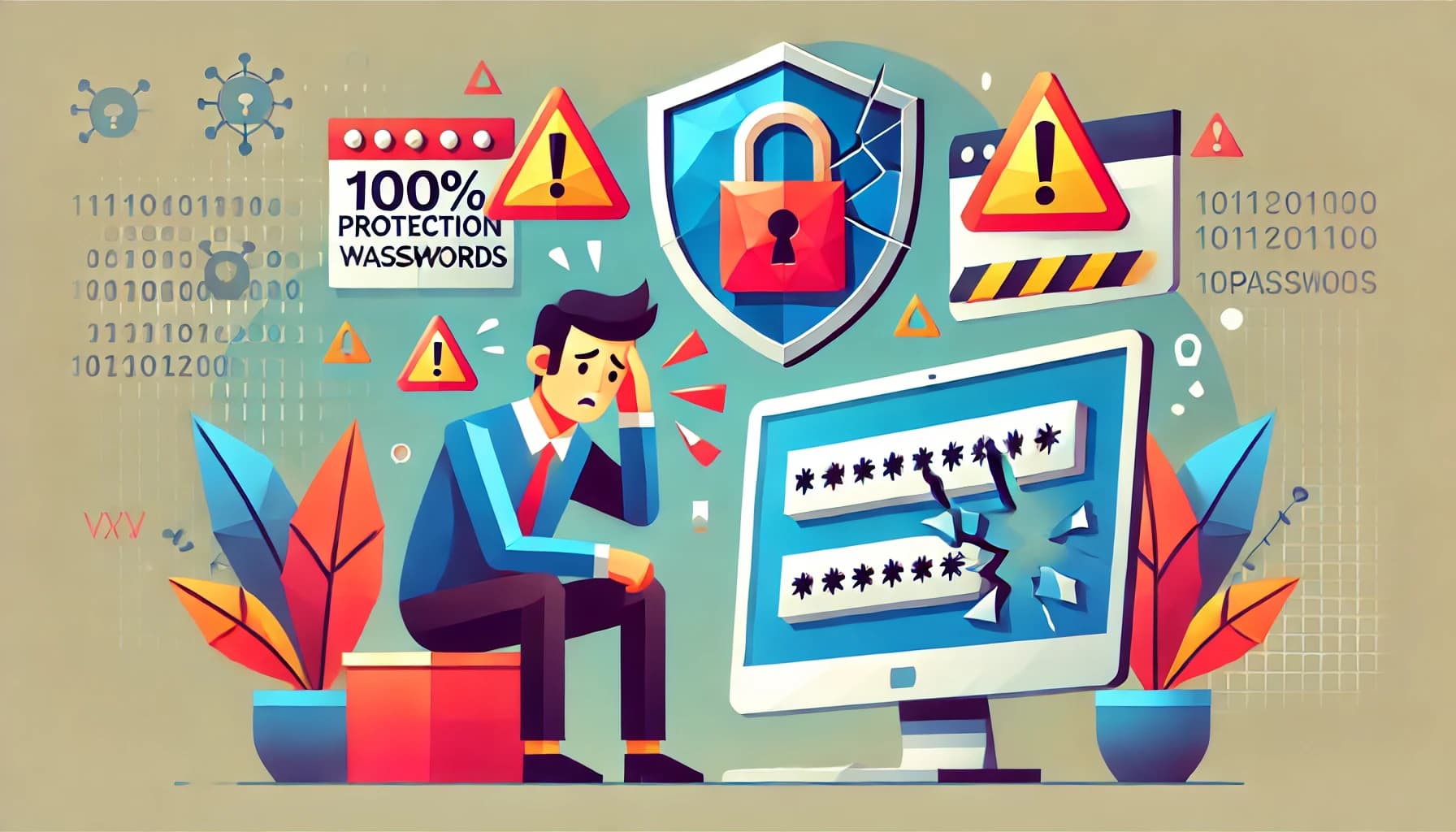
Passwords are still one of the most important protection mechanisms in everyday digital work. At the same time, large password leaks repeatedly show that perfect password protection does not exist.
This does not mean passwords are unimportant. Quite the opposite: as long as they are used, they need to be long, unique, and well managed. But organizations should understand their limits.
A password can be technically strong and still become a risk when it is reused, exposed in a database, captured through phishing, or revealed under pressure.
Again: billions of passwords leaked
On July 4, 2024, a file called rockyou2024.txt was published in a hacker forum. It contained almost 10 billion password entries from different sources.
Collections like this show the scale of the problem. Attackers do not always have to crack passwords from scratch. Often, they simply test known credentials automatically across other services.
The real danger: reuse
The biggest problem is not just one leaked password. It becomes dangerous when people use the same credentials across multiple services.
A compromised account at a low-priority service can then suddenly open access to email, cloud storage, payment data, or internal systems.
How do leaks happen?
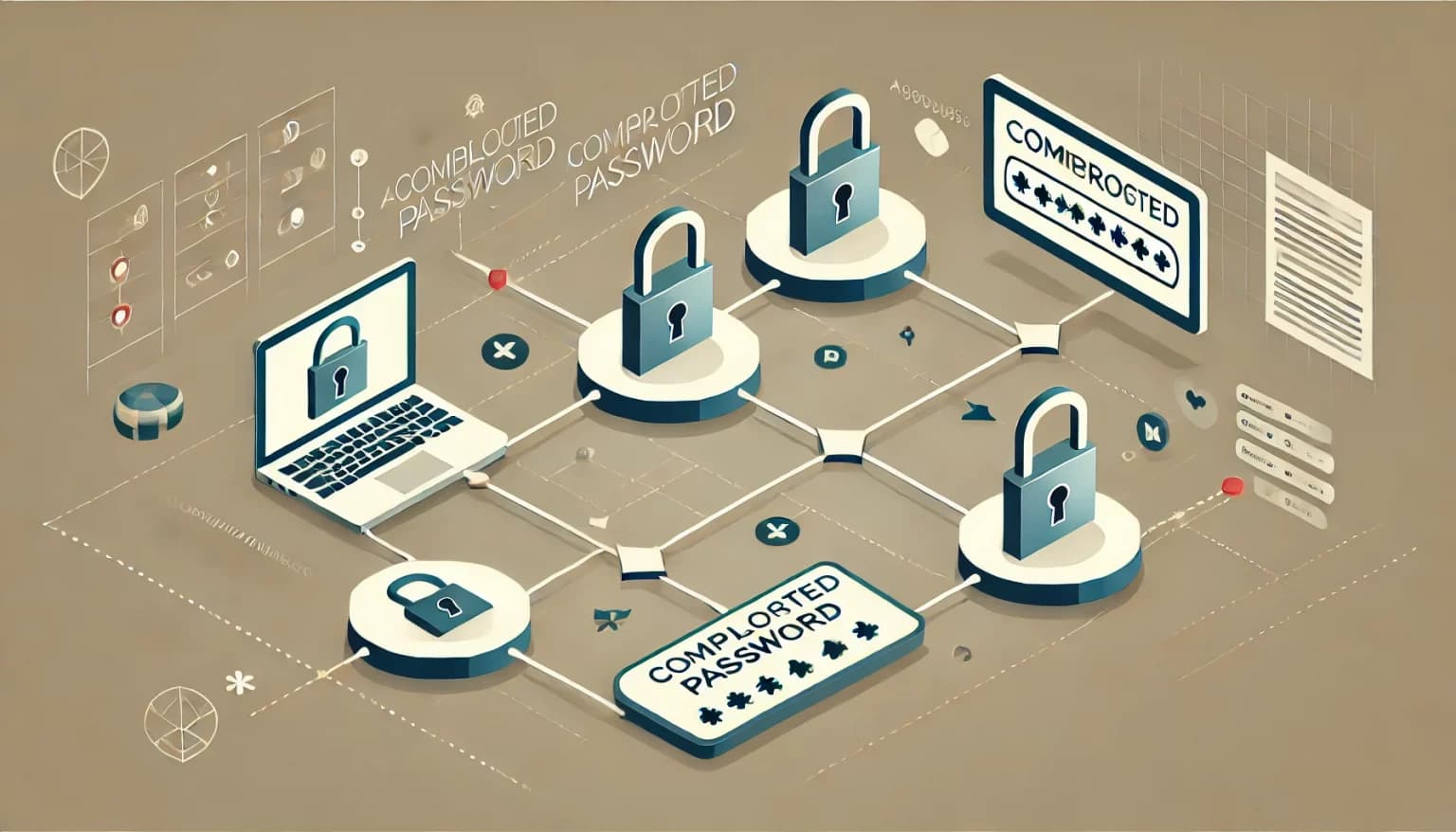
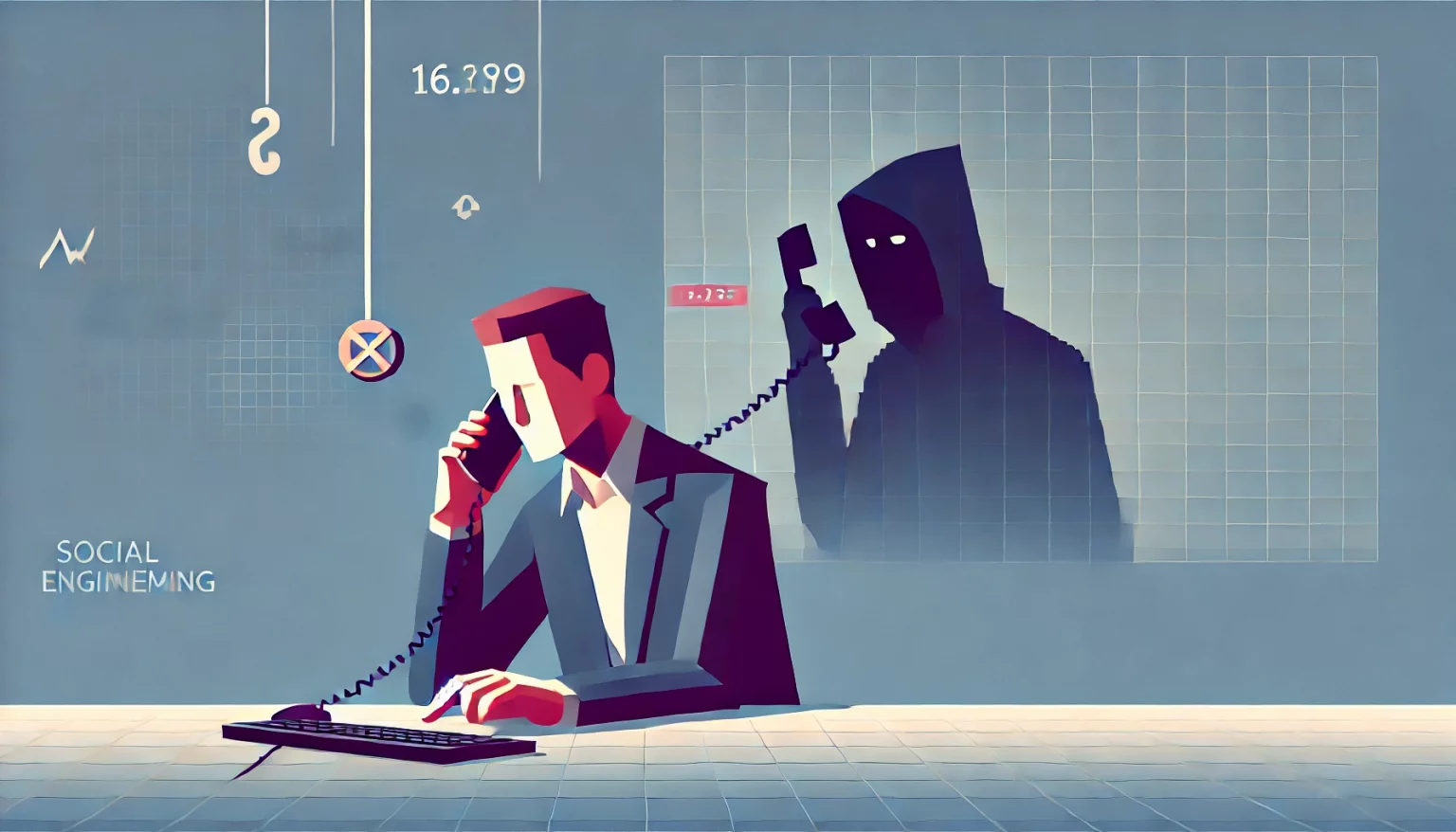
Large password leaks are often the result of compromised server databases. But the path there often starts with social engineering: attackers manipulate people to obtain credentials, internal information, or technical access points.
A typical example is vishing. The caller pretends to need help or to offer help. The goal is to create trust or urgency and extract sensitive information.
Everyone has to prevent damage
None of us can prevent every server somewhere from being compromised. But we can prevent one leak from turning into a chain reaction across many accounts.
The most important rule is simple: every account needs unique credentials. A password must never become a master key for multiple services.
What should you do now?
Password protection is not one single action. It is a combination of routine, tools, and vigilance. These steps reduce risk significantly.
- Check for leaks: Regularly check whether work or private email addresses appear in known data breaches. Services such as Have I Been Pwned can help.
- Change affected passwords immediately: If an account is affected, change that password immediately. If it was reused elsewhere, change those accounts as well.
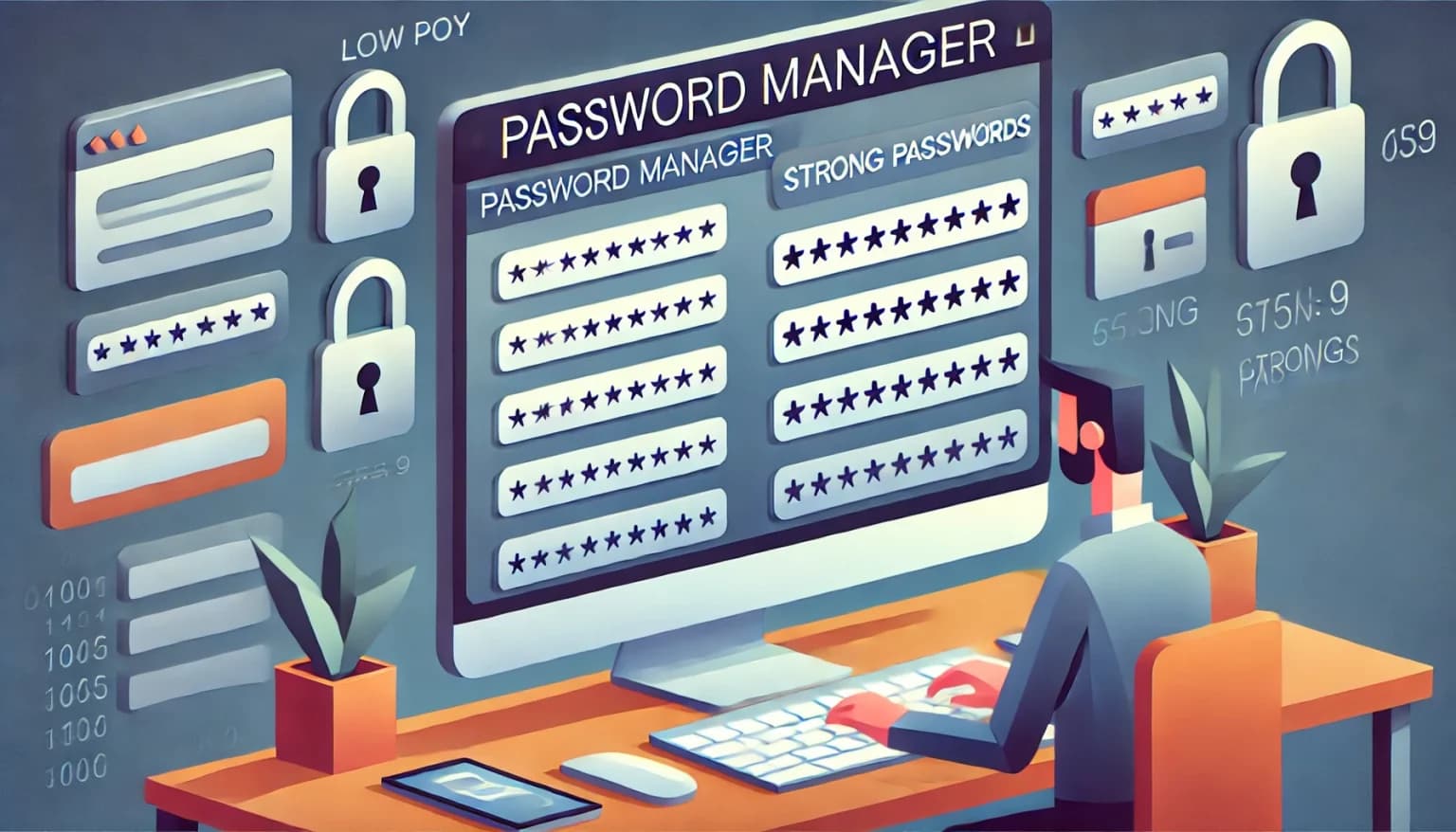
- Use a password manager: Nobody can remember a long, random, unique password for every account. That is exactly what password managers are for.
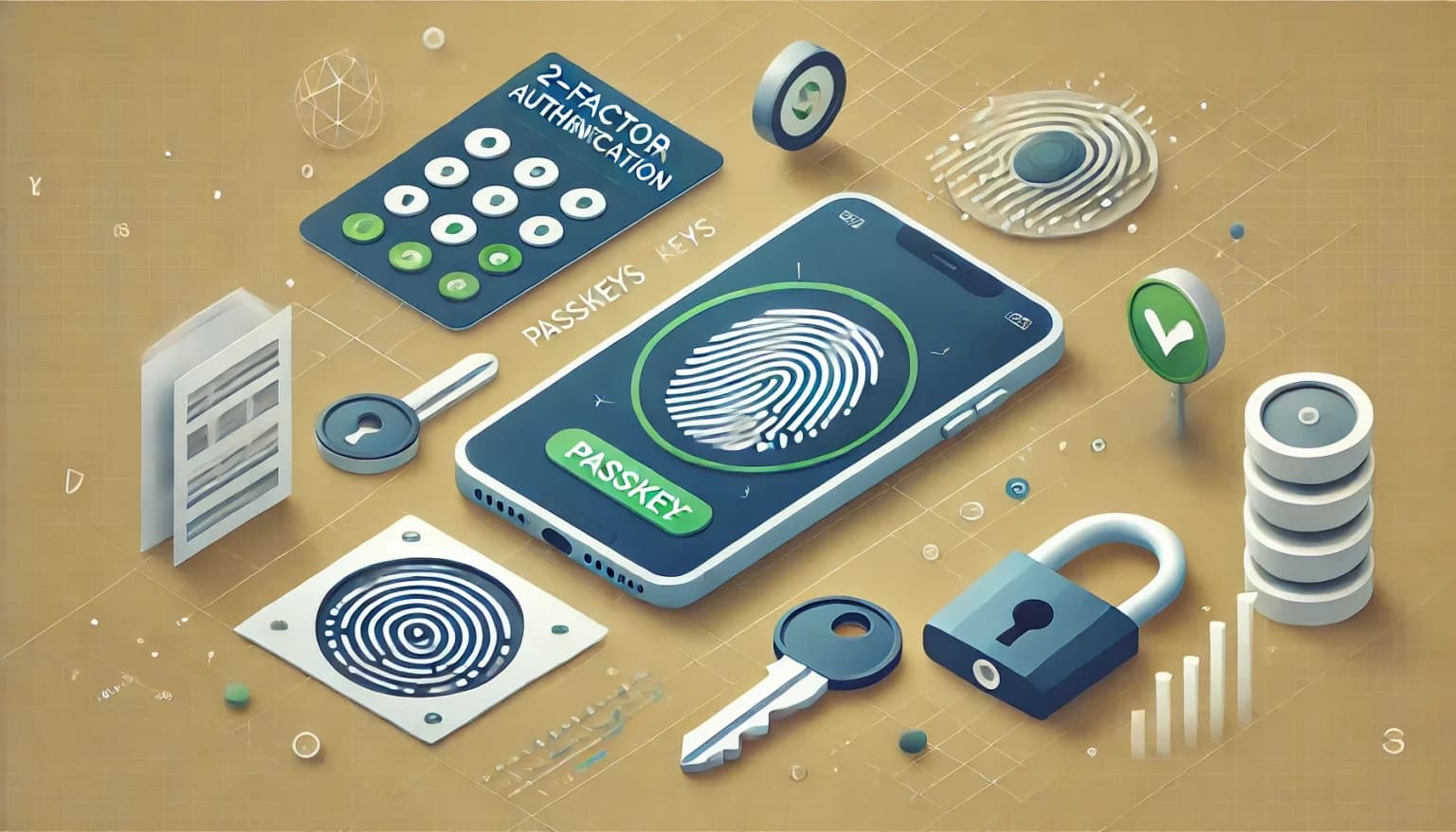
- Activate two-factor authentication: 2FA ensures that a password alone is not enough. An additional factor greatly reduces the risk of compromised credentials.
- Evaluate passkeys: Where possible, organizations should use passkeys. They replace passwords with cryptographic keys and are much more resistant to phishing.
Passwords are not a security concept you define once and then forget. They are an ongoing risk that needs active management.
Protect your data proactively
The bad news: every account needs its own long and complex protection. The good news: employees do not have to memorize all those passwords themselves.
A good password manager generates, stores, and organizes credentials securely. Combined with 2FA and modern approaches such as passkeys, it creates a much stronger defense.
Conclusion: the goal is not perfect password security
There is no 100 percent protection against password theft. But organizations can massively reduce risk when employees use unique passwords, treat leaks seriously, and activate additional protections.
In the long run, the stronger path is passwordless authentication. Read more in our Impuls article on passkeys. Until then, password protection remains a central part of modern security awareness.