Cyberattacks have become part of everyday life. Somewhere in the world, an attack happens roughly every 40 seconds. But solid cybersecurity awareness can make a decisive difference in preventing attacks or recognizing them early.
This is where Cybersecurity Awareness Month comes in. It creates a fixed moment to bring cybersecurity out of the abstract IT corner and into everyday work: through concrete habits, clear rules, and training formats that actually reach people.
What is Cybersecurity Awareness Month?
Cybersecurity Awareness Month is a month-long awareness campaign originally launched by the U.S. Department of Homeland Security. Its goal is to increase attention for proven cybersecurity practices and anchor the topic in collective awareness.
The focus is not only on technology. It is about behavior: Which warning signs do I recognize? When should I become cautious? And which simple measures noticeably reduce risk in daily work?

When is Cybersecurity Awareness Month?
Cybersecurity Awareness Month takes place every year in October. In Europe, the European Cybersecurity Month runs during the same period and is coordinated in part by ENISA, the European Union Agency for Cybersecurity.
For organizations, this period is especially useful: October creates a natural communication moment for internal campaigns, live training, short learning impulses, phishing exercises, and interactive awareness formats.
Why Awareness Month matters
Raising sensitivity for cybersecurity is more important than ever. Many attacks are not enabled by a single technical vulnerability, but by human routines: a quick click, a plausible email, a shared password, or an update postponed for too long.

More awareness therefore does not mean overwhelming employees with warnings. Good awareness makes risks tangible, reduces uncertainty, and trains the exact situations in which mistakes can later happen.
Awareness Month is not an end in itself. It is a strong starting point for a security culture that remains visible throughout the year.
ECSM: the European counterpart
Since 2012, Europe has also used October to raise cybersecurity awareness among citizens and organizations. The European Cybersecurity Month is supported by ENISA and the European Commission.
Since 2013, the campaign month has taken place regularly across the EU. In October, events, campaigns, and awareness initiatives around cybersecurity become more visible across many countries.
Four core measures for better cybersecurity
According to recommendations from the Department of Homeland Security, four simple measures already help improve online security for companies, public institutions, and individuals.
1. Use strong passwords
A strong password is long, random, and unique. Every user account should be protected with its own password. In practice, this makes a password manager essential. Modern passkeys can provide even stronger protection.
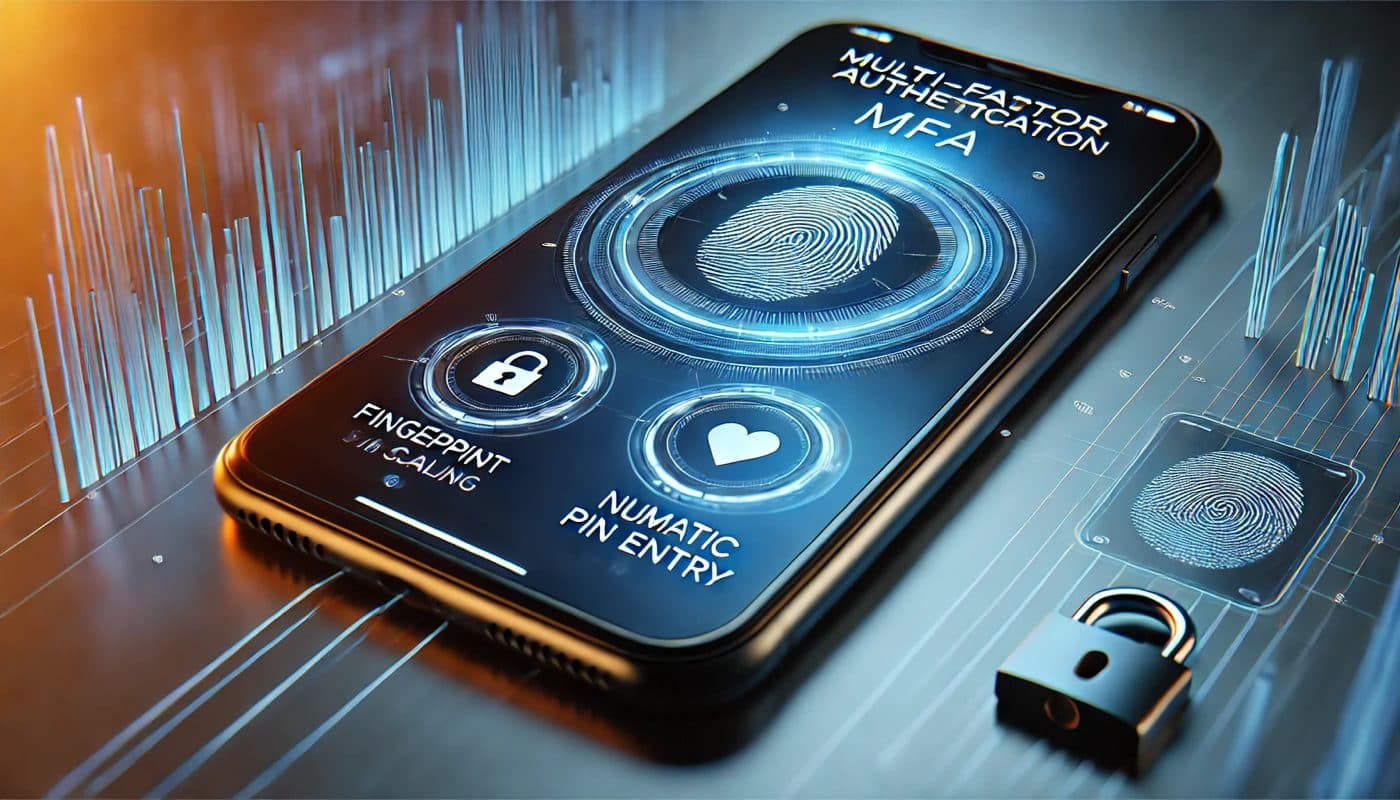
2. Activate multi-factor authentication
Multi-factor authentication significantly reduces the risk of a successful attack. It combines at least two factors, such as a password and smartphone, security key, or biometric approval.
3. Raise awareness for phishing attempts
Phishing works because it rarely looks like an attack. A message feels urgent, plausible, or appears to come from someone familiar. Employees should therefore practice classifying unexpected messages, suspicious links, and unusual payment or data requests.
4. Keep software up to date
It sounds basic, but it is often forgotten: regular software updates close known security gaps. This works best when updates are automated and teams understand why the routine matters.
Cybersecurity Awareness Month is the perfect moment to check whether these basics are already in place and to improve the areas where good intentions get lost in everyday work.
Use Awareness Month for a security initiative
In many cases, cyberattacks succeed because of human behavior. Awareness should therefore not only inform, but activate. Mindcraft helps organizations sensitize employees to cybersecurity and make risks tangible.

Our trainings are grounded in psychology and proven in practice. By combining live moderation and gamification, employees learn interactively how to protect their organization from cyber threats.
Organizations that take Awareness Month seriously should not treat it as a one-off campaign. It can become the starting point for a continuous learning journey: with live events, short impulses, recurring exercises, and formats that earn attention instead of demanding it.