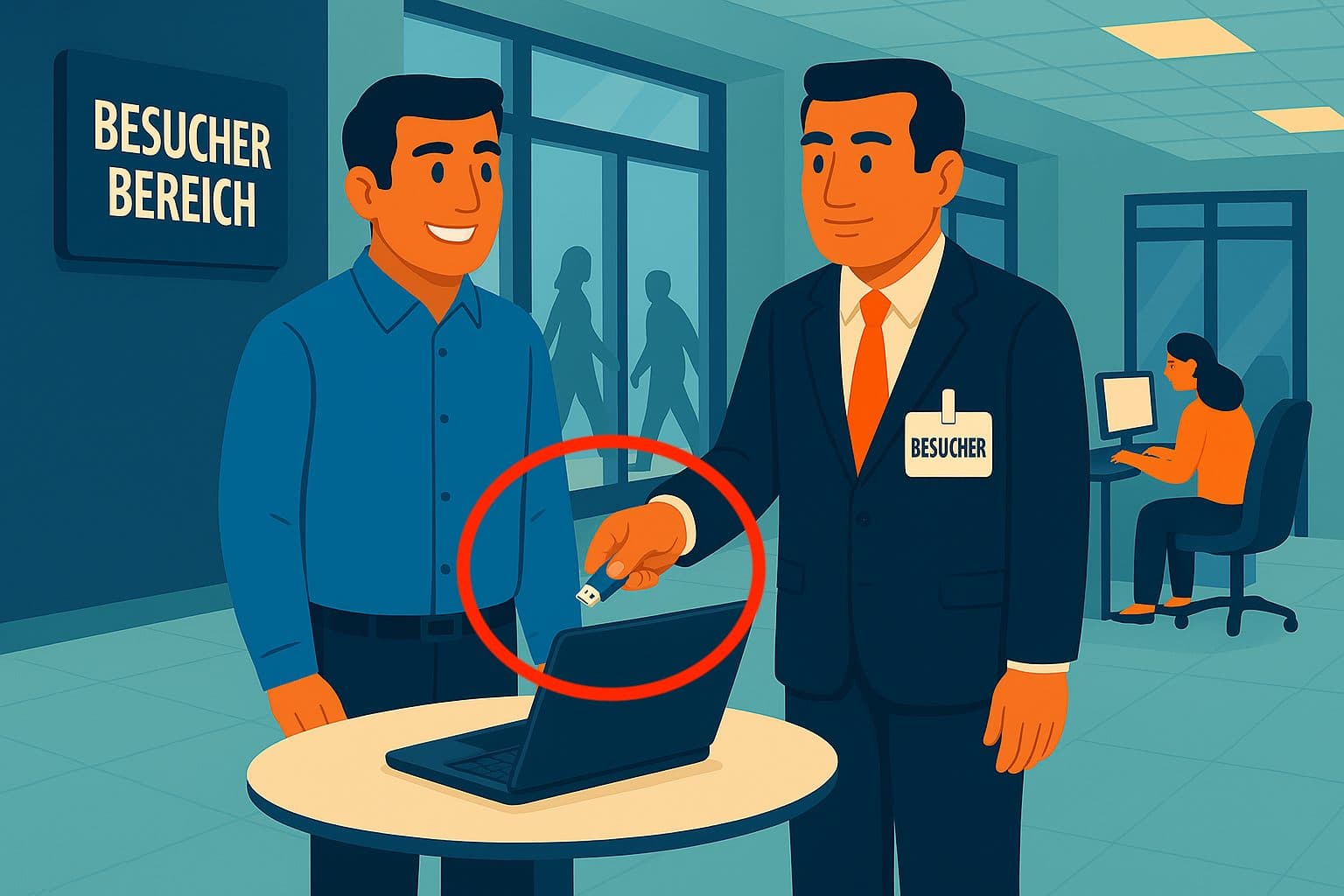
Social engineering becomes tangible when you look at the stories behind it. The following examples show how ordinary an attack can appear.
In many cases, the hardest part of the attack is not the technology, but the believable situation. Fraudsters know which routines work in organizations.
That is why examples are so valuable: they make abstract risks concrete and help teams respond faster in the real moment.
Why fraudsters use social engineering

Social engineering is attractive because people are often easier to influence than well-protected systems. A credible pretext can be enough to bypass security controls.
The attack becomes especially strong when it uses real information: names, projects, suppliers, appointments, or responsibilities.
Example 1: The fake payment approval
Someone in finance receives a short message from an alleged executive. A confidential transfer must be completed immediately.
The protection lies in the process: high payments, new bank details, and exceptions are always confirmed through defined channels, even when the request feels urgent.
Example 2: The alleged IT support call
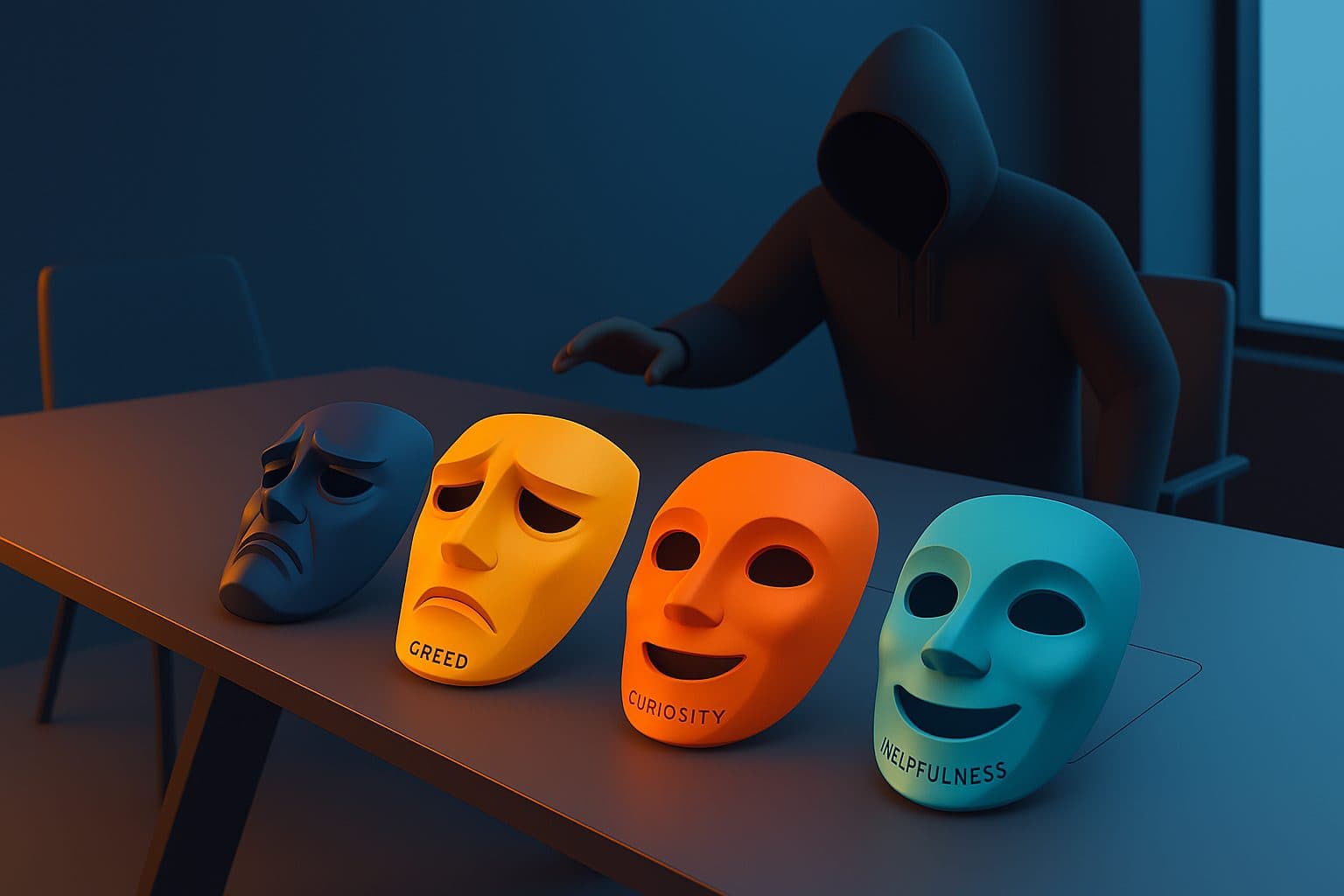
A caller claims to be internal IT support and says a security problem must be checked immediately. They ask for a code or approval.
The right reaction is calm: end the call, use the official support number, and report the incident. Codes, passwords, and MFA approvals are never shared.
Example 3: The prepared link
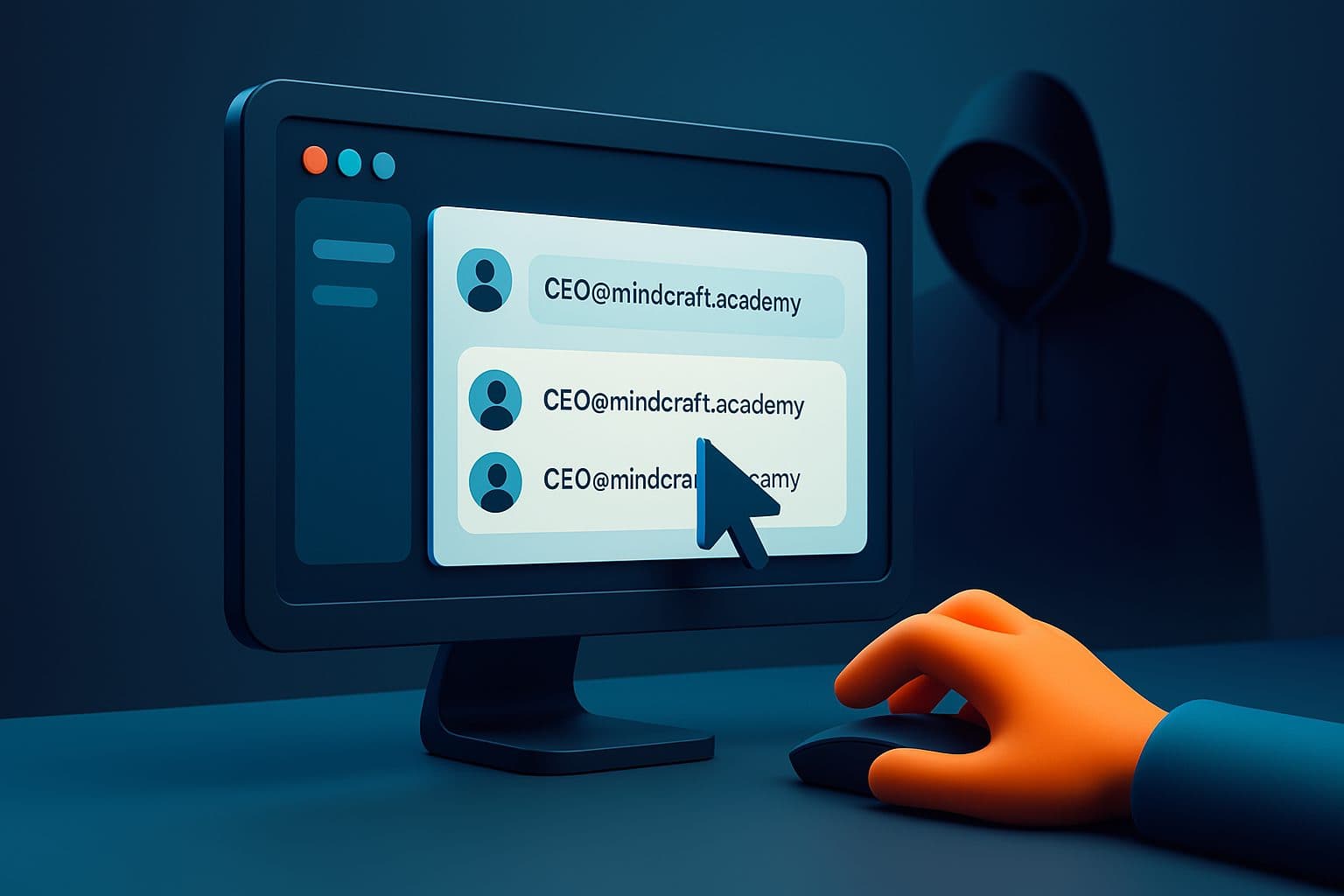
A message points to a document, delivery update, or alleged account issue. The page looks familiar, but collects credentials.
Password managers, MFA, and the habit of opening sensitive logins through known bookmarks or official apps are helpful.
Example 4: Tailgating at the entrance

A stranger follows employees through a door and acts as if they forgot their badge. Nobody wants to be rude, so the door stays open.
A good security culture makes it normal to ask politely or accompany visitors to reception.
What organizations learn from these examples

- Zero-trust thinking in everyday work: Unusual requests are verified without turning collaboration into distrust.
- Clear approval processes: Exceptions, payments, and data sharing need defined confirmations.
- Regular training: Practical scenarios help more than policies alone.
- Simple reporting channels: Suspicions must be easy to report without blame.
Conclusion
Social engineering examples show that attacks rarely look dramatic. Most are small, plausible deviations in normal workflows.
Teams that discuss and practice these situations regularly turn uncertainty into a manageable routine.