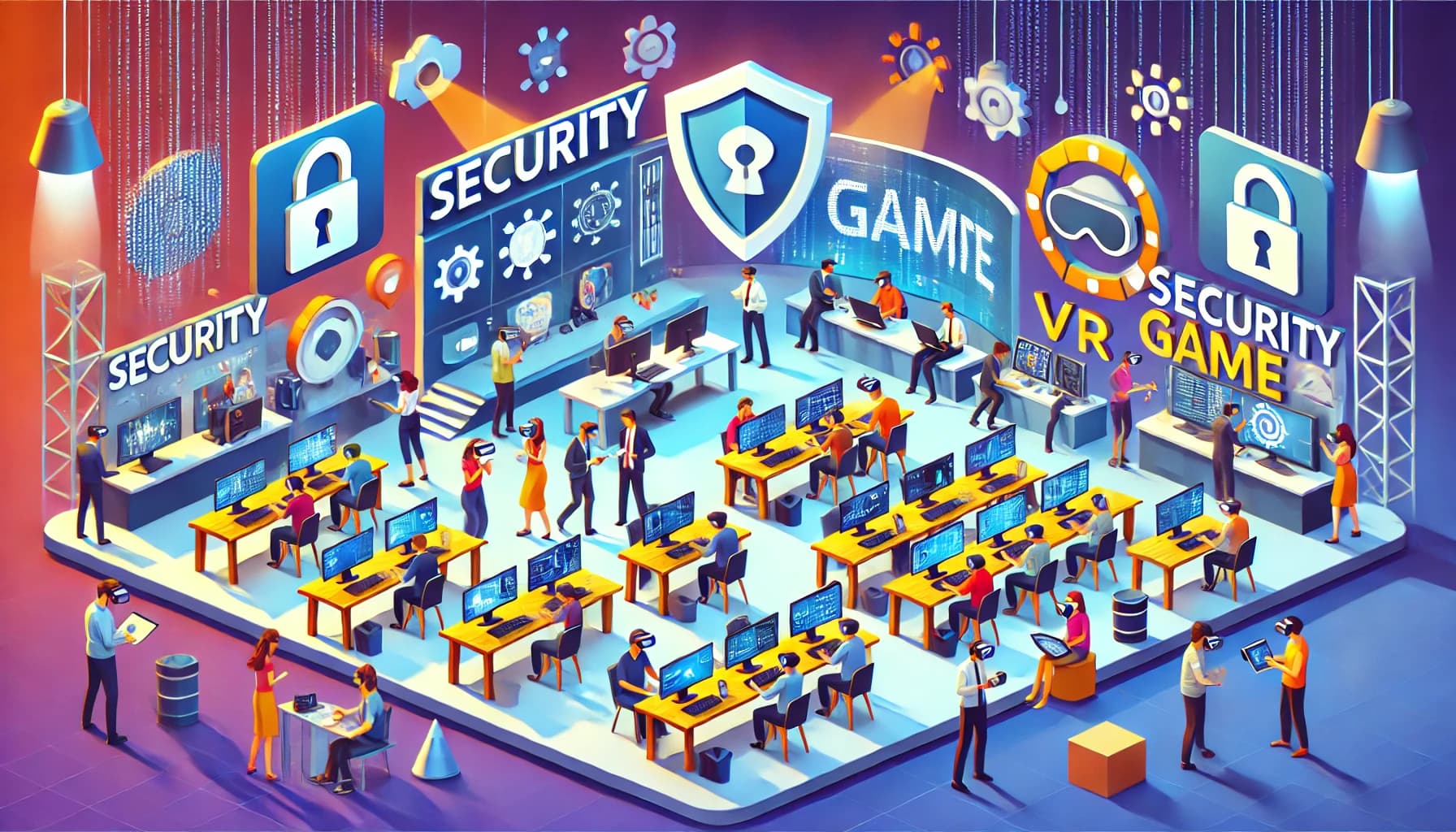
Security Game Events turn cyber security awareness training into a shared experience: engaging, interactive, and focused on practical security.
Many trainings explain risk. Security Game Events let people experience risk and make decisions.
That creates the effect: teams laugh, discuss, fail safely, learn, and later remember concrete situations.
1. Learning can be fun
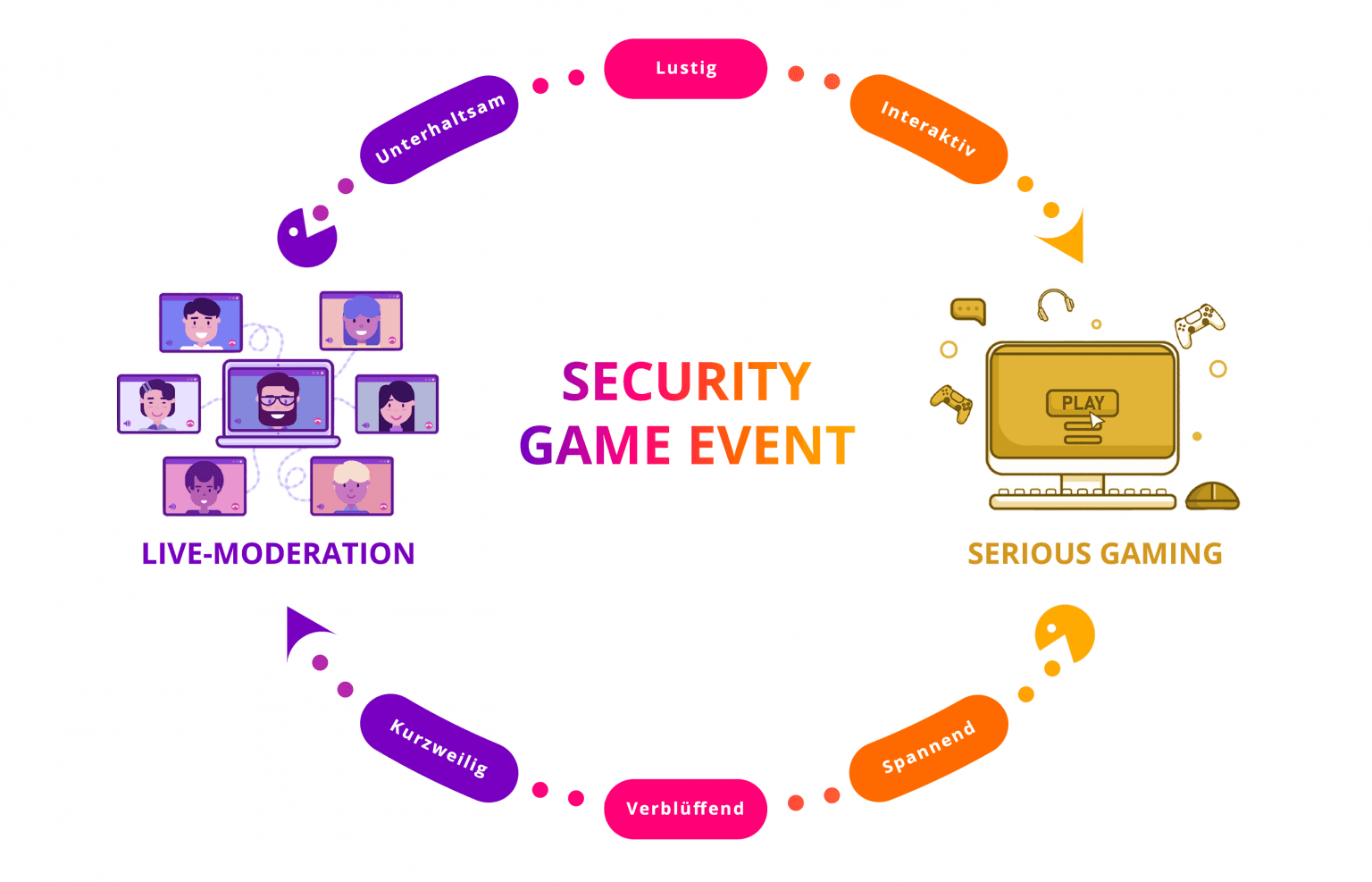
The idea is simple: participants collect points, solve tasks, and spot attacks before they cause damage.
Live moderation and interactive game mechanics create a format that does not feel like a lecture but still follows clear learning goals.
2. Why cybersecurity?
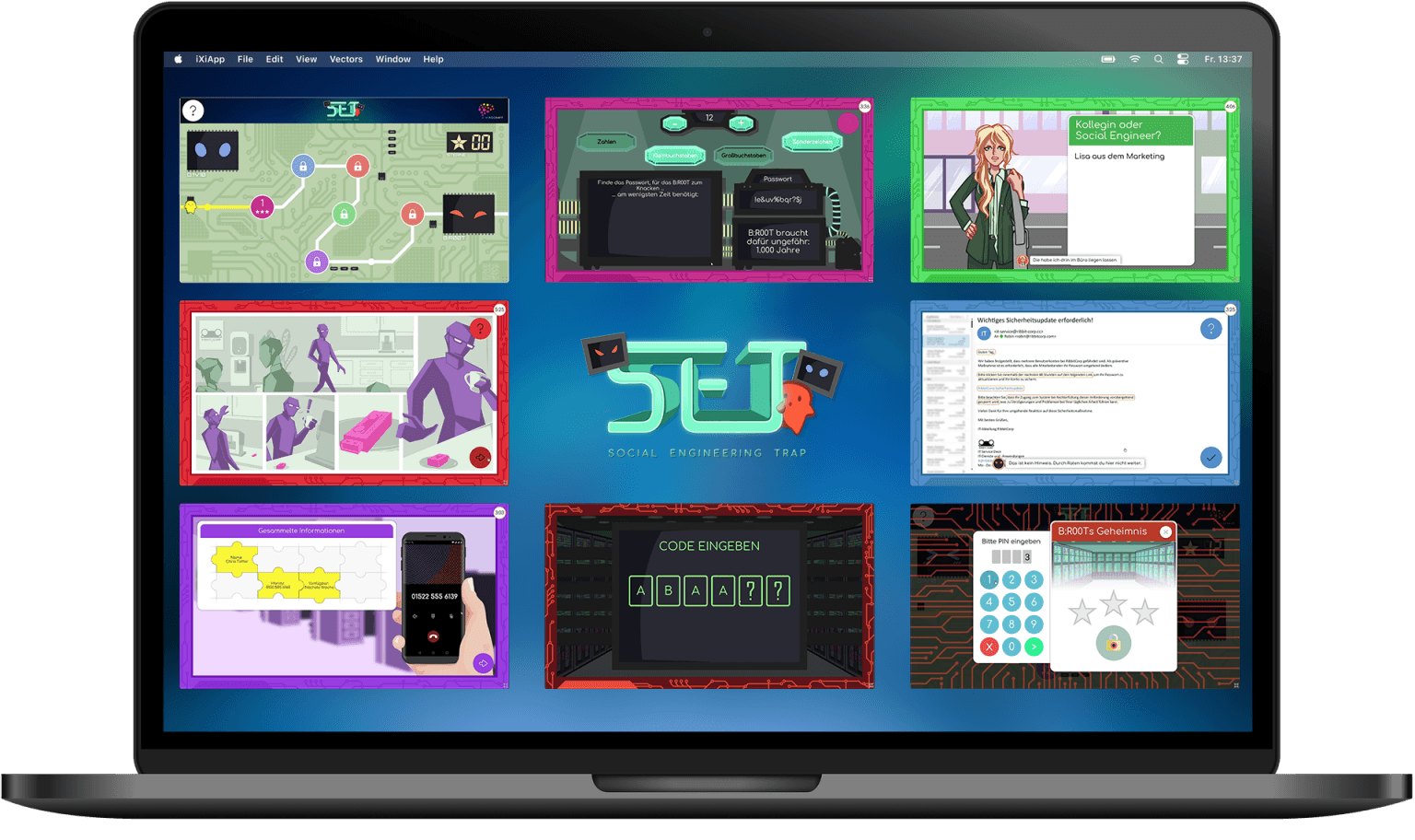
Every click, approval, and conversation can become risky in the wrong context. In a Security Game Event, employees learn to recognize those moments.
Phishing, social engineering, password security, and reporting routines are not only explained; they are applied in the game.
3. Teamwork through technology
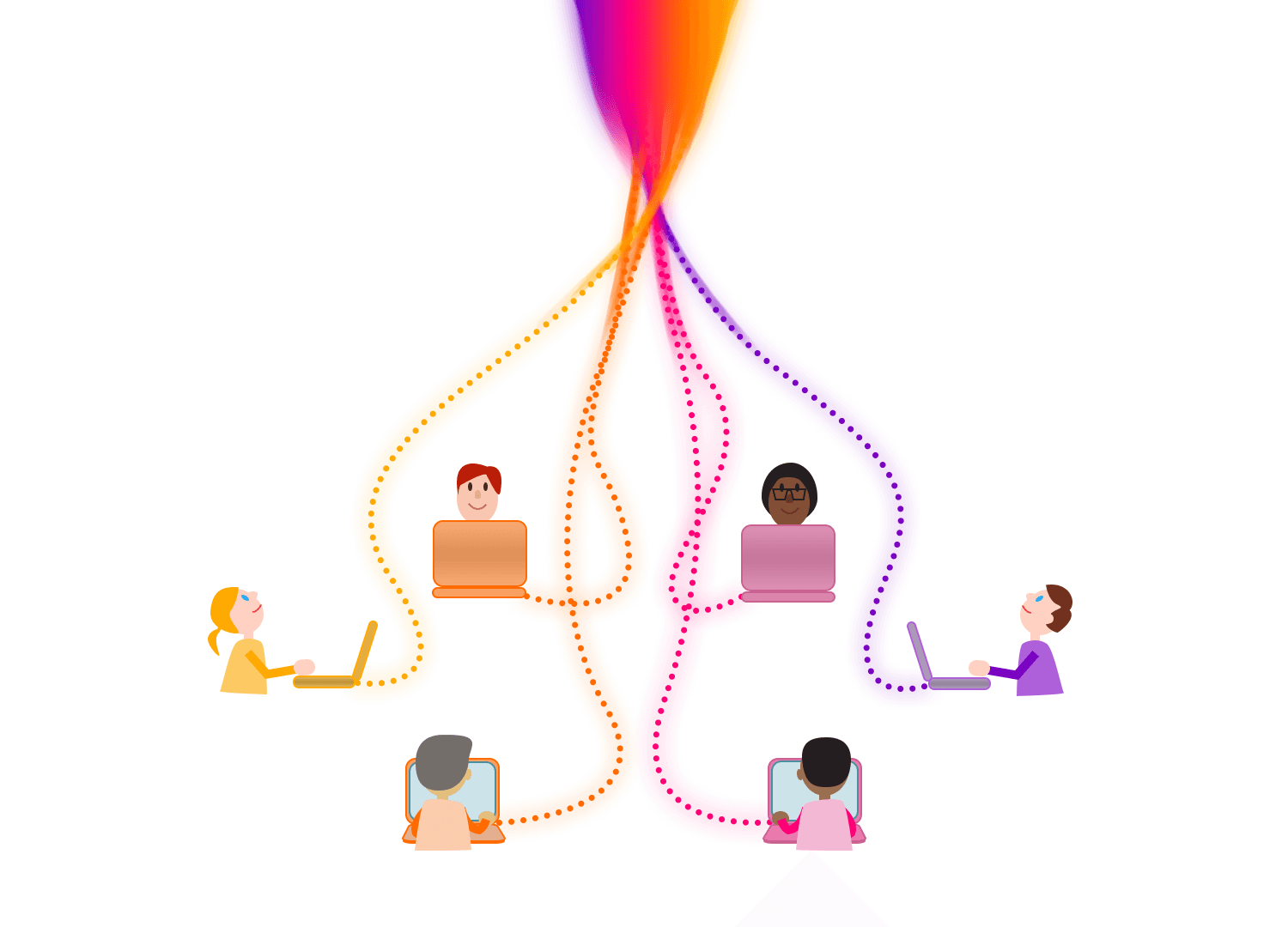
A Security Game Event is also a team exercise. People see how differently colleagues interpret clues, ask questions, and assess risk.
This shared reflection improves communication and makes security behavior a team topic.
4. What do employees take away?
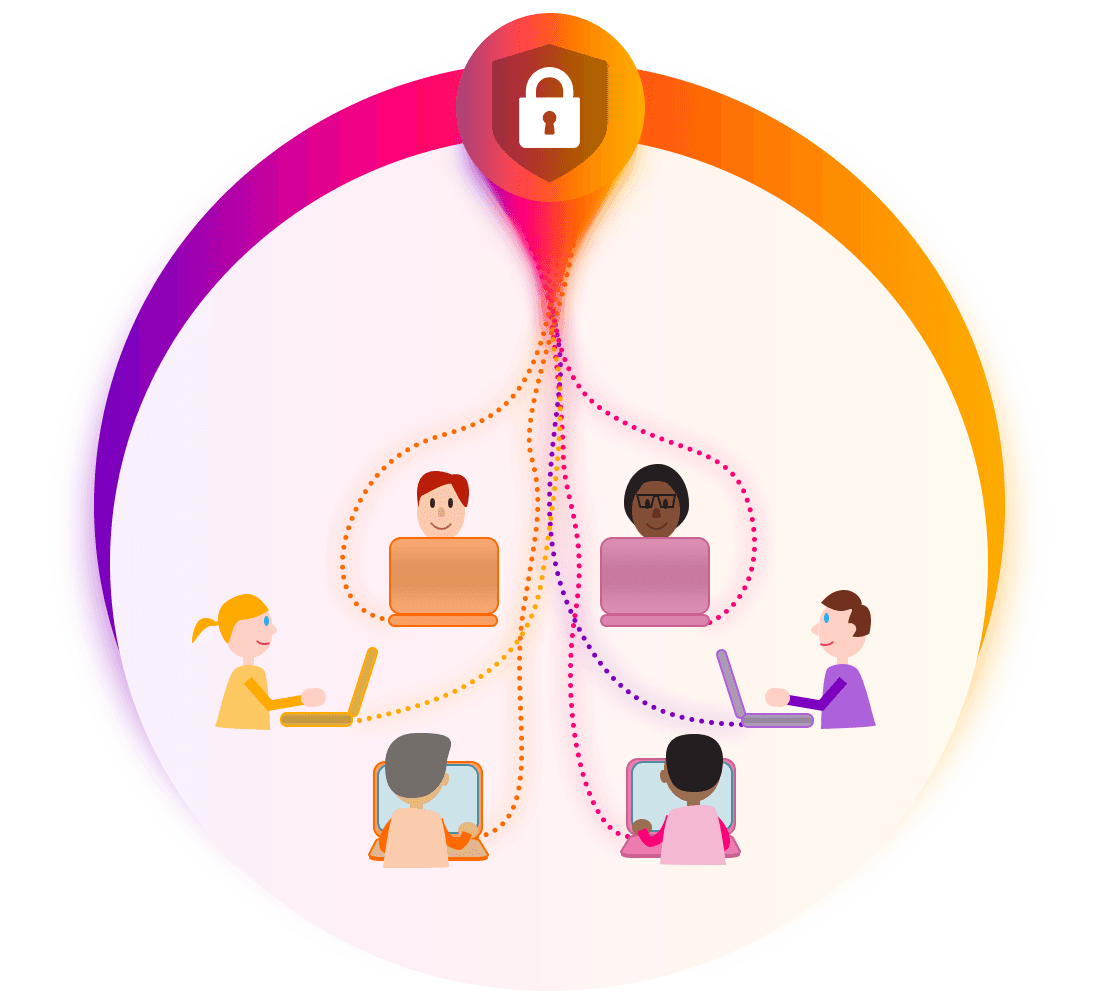
Besides fun and team spirit, employees take away concrete confidence: verify suspicious emails, recognize pressure, protect passwords, and report unusual requests.
The learning sticks because it is connected to an experience.
5. When is the right time?

A Security Game Event works as the kickoff to an awareness campaign, as annual training, or as part of a longer learning journey.
The format is especially strong when it connects to real organizational risks, current attack patterns, and concrete reporting channels.
The secret of good Security Game Events is not the game alone. It is the connection between experience, decision, and security competence.
Conclusion: awareness works when it is experienced
Security Game Events make cybersecurity tangible. They activate teams, create aha moments, and turn knowledge into behavior.
Awareness becomes more than a mandatory session. It becomes shared training for secure decisions.